
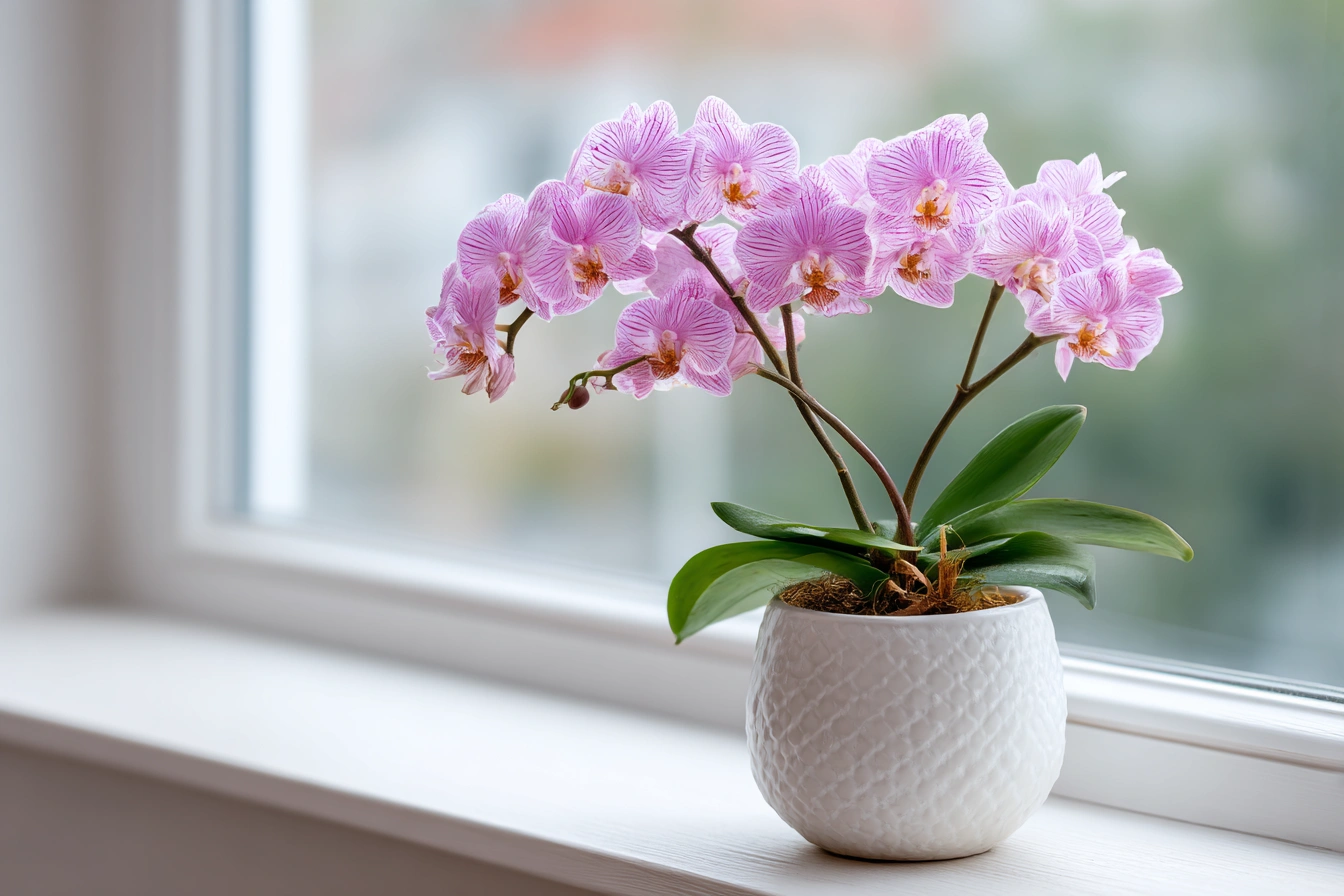
The Ice Cube Controversy: Myth or Truth?
One persistent myth within the orchid care community is the practice of watering orchids with ice cubes. Proponents argue that this method is beneficial, claiming that the slow melting of ice provides the needed moisture gradually. However, this idea oversimplifies the specific requirements that orchids have regarding watering and temperature.
Orchids, particularly popular varieties like Phalaenopsis, thrive in warm, humid environments. They originate from tropical regions where rainfall is frequent and temperatures rarely dip. When ice cubes are used as a watering technique, they introduce cold water to the roots. Cold temperatures can shock the plant and may even lead to root damage or stunted growth over time.
Research indicates that orchids generally prefer water that is room temperature or slightly warmer, aligning more closely with their natural habitat. Additionally, the ice cube method often leads to inconsistent watering, which orchids do not tolerate well. Over time, this irregularity can result in root rot, which is one of the leading causes of orchid failure.
The myth of using ice cubes for watering orchids may have originated from a misguided belief that they mimic the gradual cooling of dew in the wild. However, it’s crucial to understand that in natural settings, orchids are not exposed to ice-like conditions. Instead, they receive moisture in the form of warm rains and high humidity.
For optimal care, it is advisable to water orchids thoroughly and infrequently, allowing the roots to dry out between watering. A well-draining potting medium will also support healthy root growth and prevent excess moisture retention. Thus, rather than relying on ice cubes, nurturing orchids with methods that reflect their natural conditions can yield healthier, thriving plants.
Repotting Realities: When and How to Repot Orchids
Repotting orchids is often surrounded by several myths that may deter both novice and experienced orchid enthusiasts from providing proper care. One common misconception is that orchids should be repotted every year. In reality, the frequency of repotting depends on the specific type of orchid, its growth conditions, and whether it shows signs of being root-bound. Generally, orchids benefit from being repotted every two to three years, particularly when their potting medium has broken down or they have outgrown their pot.
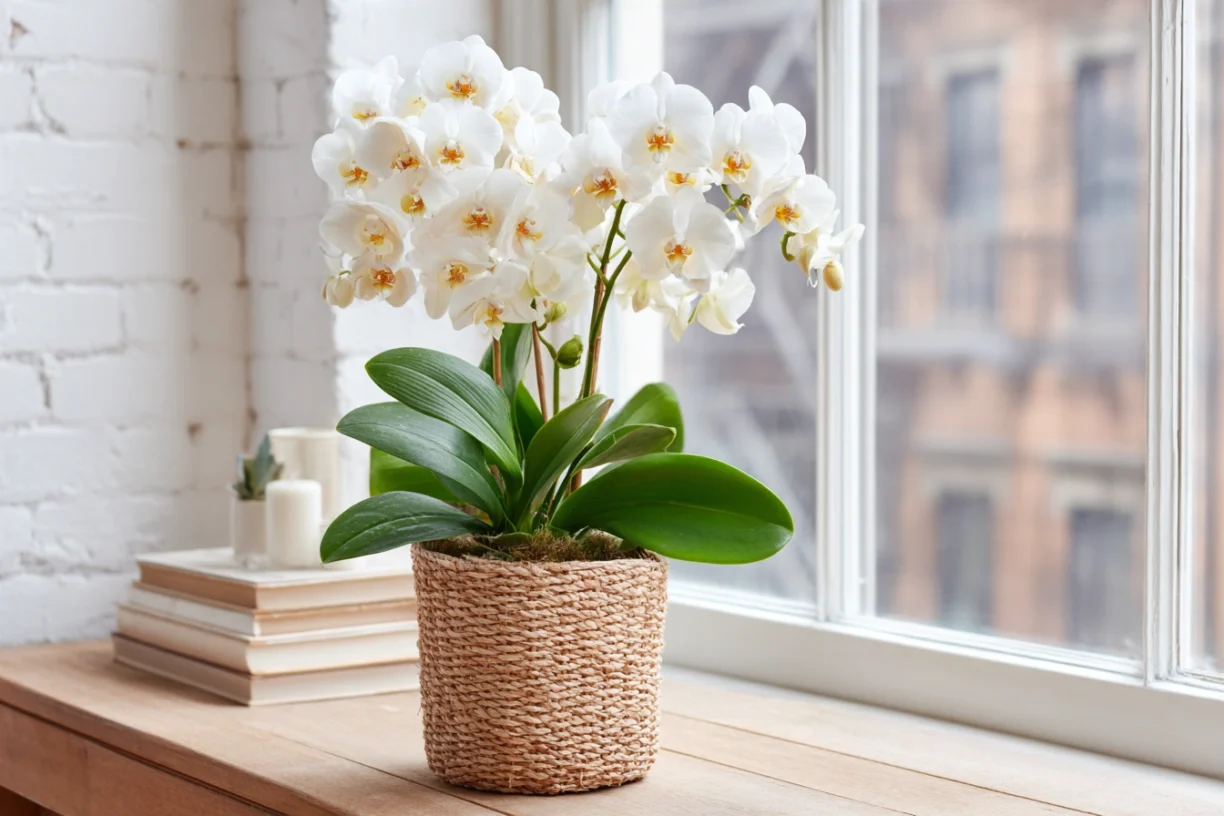
Another myth is that repotting should be done at a specific time of year. While many recommend repotting during the spring, this is not a strict rule. Orchids can be repotted after blooming, but it is crucial to consider the plant’s health and growth stage. Signs indicating that an orchid needs repotting include yellowing leaves, diminished growth, or roots visibly growing out of the pot. When noticing these symptoms, it’s essential to take action to maintain the health of the plant.
Choosing the right potting materials is also critical for successful repotting. Many people assume that standard potting soil is suitable for all orchids; however, this is incorrect. Orchids typically thrive in a specialized mix containing bark, sphagnum moss, or perlite to provide adequate drainage and aeration. This environment allows their roots to breathe and prevents the risk of rot. When repotting, gently remove the old medium and any dead or damaged roots before placing the orchid in the new pot with the fresh medium. Ensure that the roots are not too tightly packed to avoid future complications.
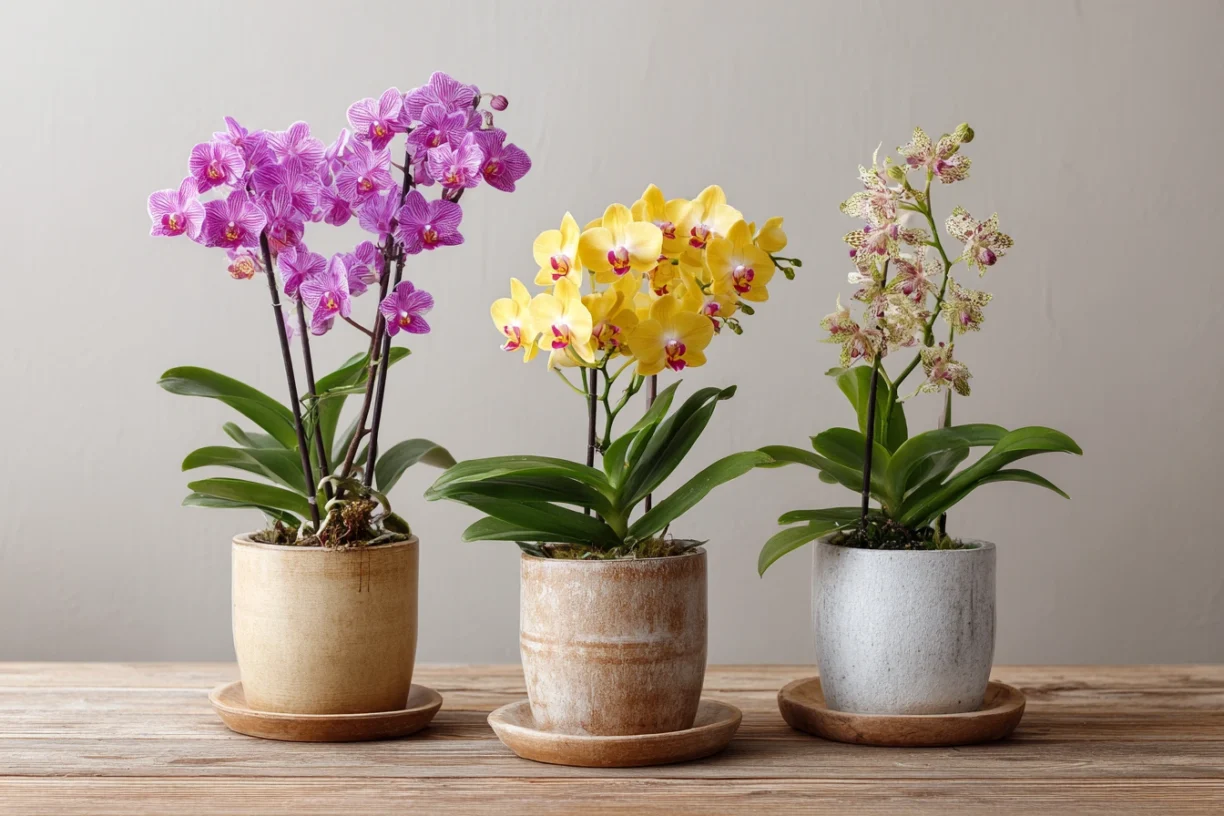
In conclusion, understanding the realities of orchid repotting can help ensure the plant thrives. Recognizing the correct frequency and timing for repotting, alongside choosing the appropriate potting materials, will support healthy growth and longevity of your orchids.
Understanding Aerial Roots: Healthy or Harmful?
Aerial roots are a fascinating feature of many orchid species, playing a significant role in their overall health and survival. Contrary to common misconceptions, these roots should not be seen as indicators of distress; rather, they are vital components that enhance the orchid’s functionality. Aerial roots enable orchids to absorb moisture and nutrients from the air, which is particularly important as they are often found in their native habitats high in the trees, where root access to soil is limited.
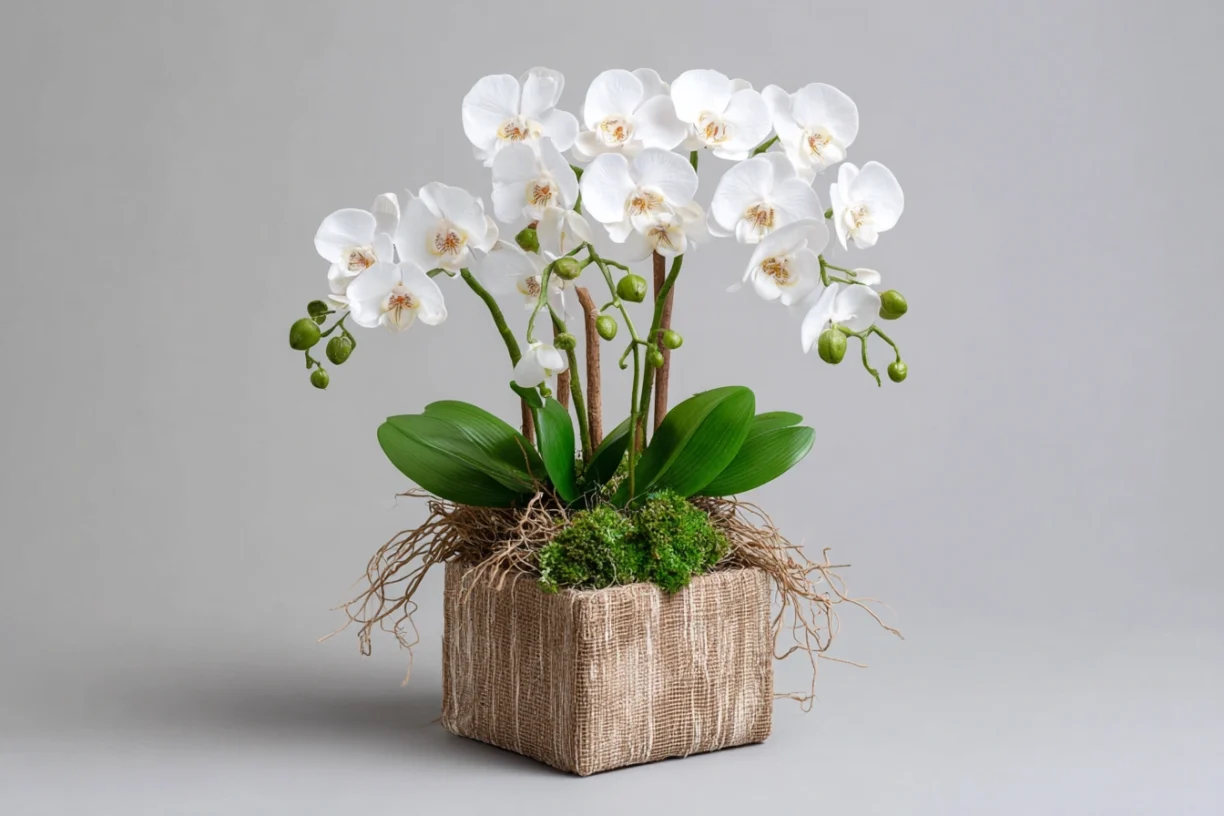
These roots can also aid in the plant’s hydration, especially in humid environments. Orchids utilize aerial roots not just for moisture intake but also for stability, anchoring themselves to tree branches and other structures. This method of growth allows them to access sunlight and air circulation more efficiently, which is crucial for their photosynthesis and respiratory processes.
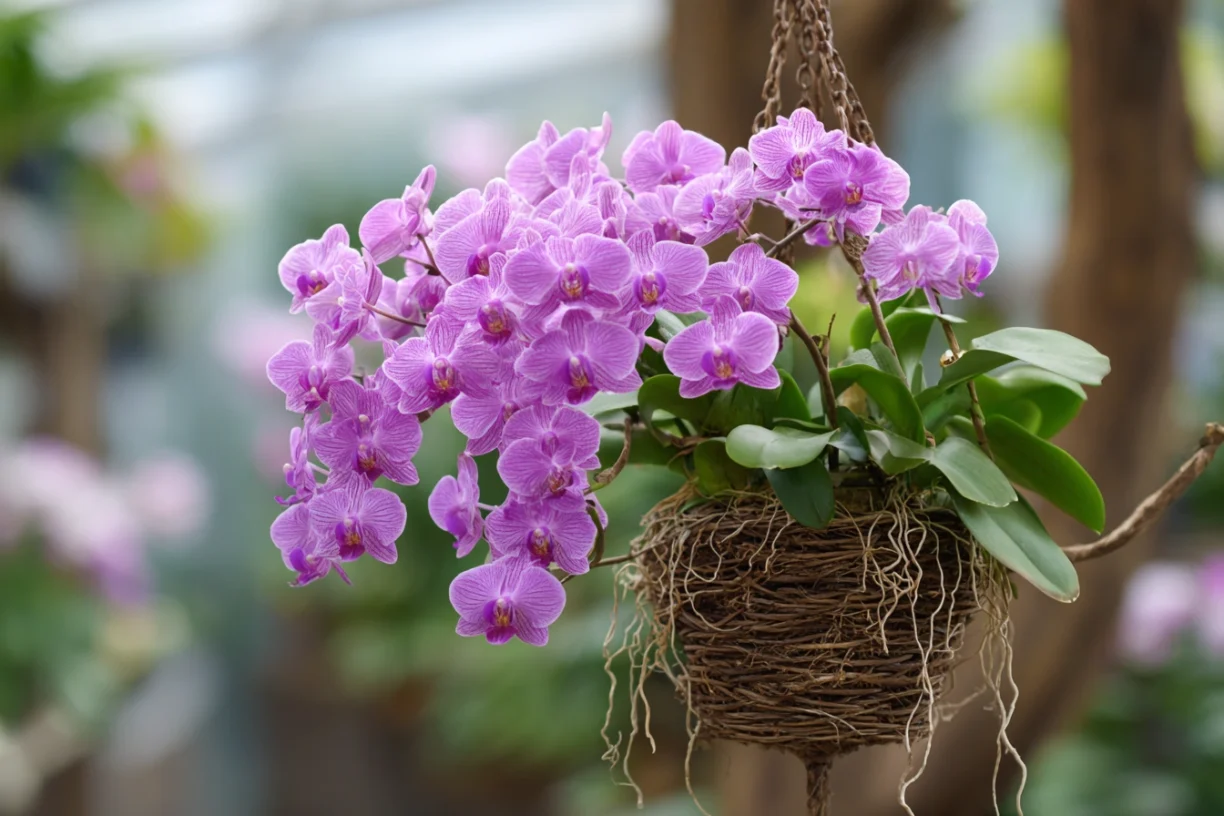
Maintaining aerial roots is essential for the health of your orchid. If these roots appear shriveled or damaged, it may be a sign of insufficient humidity or improper care. However, healthy aerial roots are typically firm and green, indicating that the plant is functioning well. It is important to provide appropriate humidity levels, often between 50% to 70%, to support aerial root development. Additionally, some orchid enthusiasts choose to mist these roots or use special potting substrates that retain moisture without being overly soggy. Overall, understanding the purpose of aerial roots empowers orchid owners to foster the well-being of their plants properly.
Yellowing Leaves and Spent Flower Spikes: Signs of Trouble?
Understanding the significance of yellowing leaves and spent flower spikes is crucial for maintaining the health of your orchids. Yellowing leaves can often be misinterpreted as a sign of poor health. However, they can indicate a range of issues including natural aging, environmental changes, or nutrient deficiencies. It is essential to assess the overall condition of the plant, including light exposure, watering habits, and temperature fluctuations. For instance, orchids are sensitive to overwatering, which can lead to root rot and subsequently cause the leaves to yellow. Conversely, too much direct sunlight can also lead to the yellowing of the leaves due to sunburn.
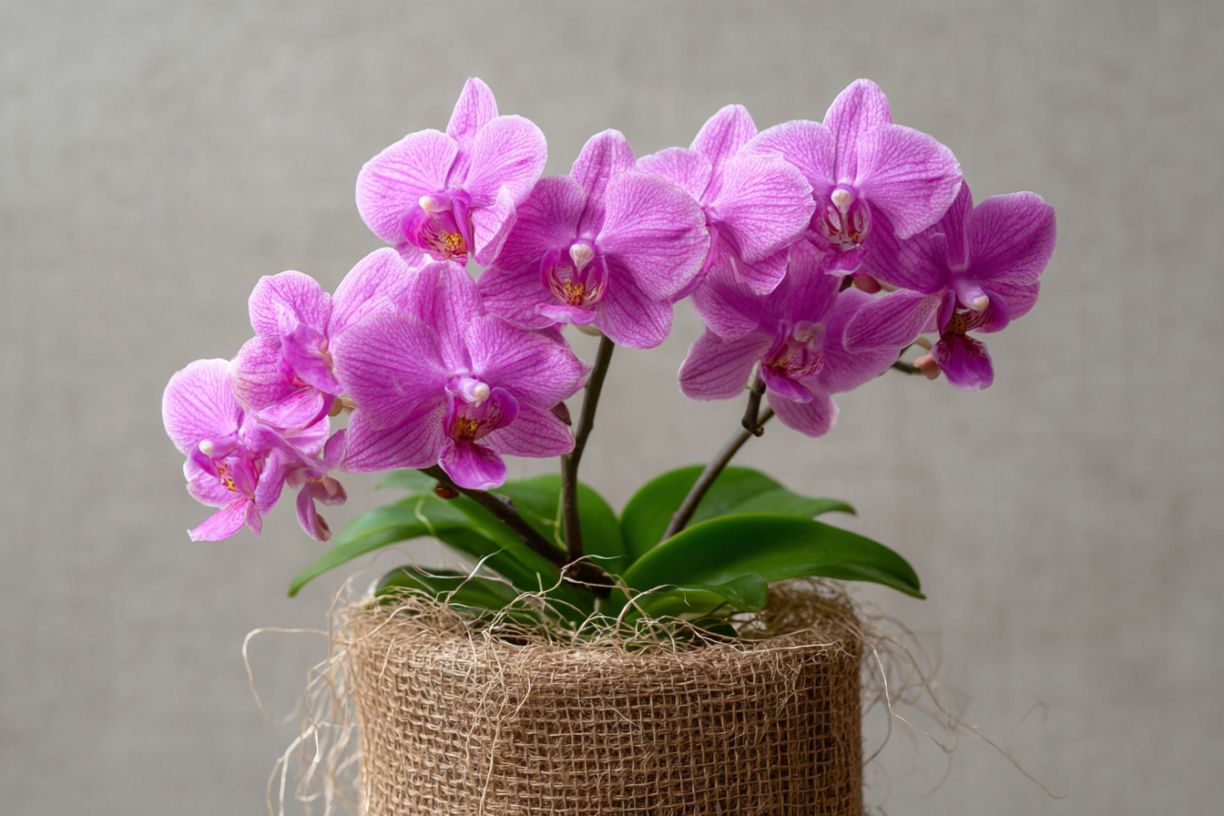
Moreover, each orchid species may have its unique responses to environmental stressors, and one must closely monitor the plant’s condition over time. It is advisable to look for signs of new growth or healthy roots to get an accurate assessment of the orchid’s overall health. An orchid in recovery from yellowing foliage may show new leaves and roots developing, confirming that conditions are improving.
As for spent flower spikes, knowing when and how to trim them is pivotal. After the blooming season, spent flower spikes may appear brown or dry, indicating that the flowering has concluded. The general practice is to cut the spike back to the base, especially if it has turned completely brown. This process encourages the plant to redirect its energy towards new growth rather than focusing on the spent spike. However, in cases of partial browning where some sections are still green, cut above the last viable node instead. This knowledge ensures that you are supporting the plant’s lifecycle effectively, promoting healthy growth year after year.
By observing these signs thoughtfully and taking informed action, orchid enthusiasts can enhance the longevity and vigor of their plants.