
Florida’s climate is characterized by its subtropical and tropical features, which plays a significant role in determining the types and availability of flowers throughout the year. The state’s warm temperatures, high humidity, and seasonal rainfall create a unique environment conducive to plant growth. These climatic conditions contribute to a diverse variety of floral species, some of which bloom at different times depending on their specific requirements.
In general, Florida experiences two primary seasons: a humid summer and a dryer winter. The summer season, which extends from June to September, is marked by elevated temperatures averaging between 80 to 90 degrees Fahrenheit and frequent afternoon thunderstorms. This climate fosters rapid growth in many flowering plants, allowing species such as hibiscus, bougainvillea, and various tropical orchids to flourish during these months. Conversely, the winter months, from December to February, see cooler temperatures and lower humidity levels. This seasonal change limits the flowering activity of some plants but enables others, such as camellias and azaleas, to bloom vibrantly in this more temperate climate.
Additionally, Florida’s varied microclimates—shaped by factors such as elevation, proximity to coastlines, and urban heat islands—impact floral availability. Coastal regions often enjoy milder temperatures and moisture, which can support a distinct assortment of coastal and tropical flowers. In landlocked areas, however, the climate may allow for different growth patterns and seasonal cycles. Understanding these climatic factors is critical for anyone interested in the floral diversity available throughout the year in Florida, as they lay the groundwork for a comprehensive grasp of the month-by-month floral availability.
January to March: The Early Bloomers
The beginning of the year in Florida heralds the emergence of various flowers, known for their beauty and resilience in early blooms. From January to March, enthusiasts can enjoy a selection of floral varieties that not only symbolize the arrival of spring but also enhance gardens and floral arrangements alike.
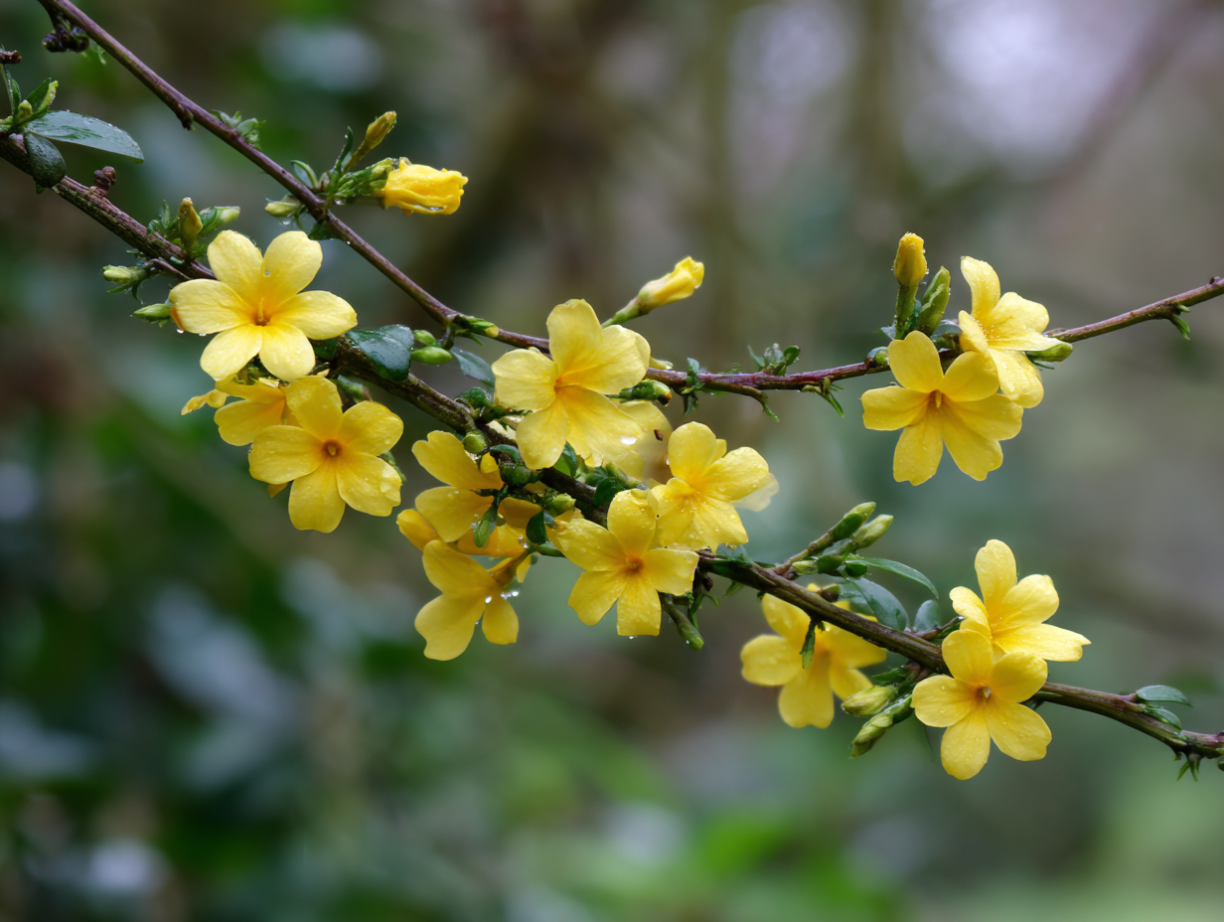
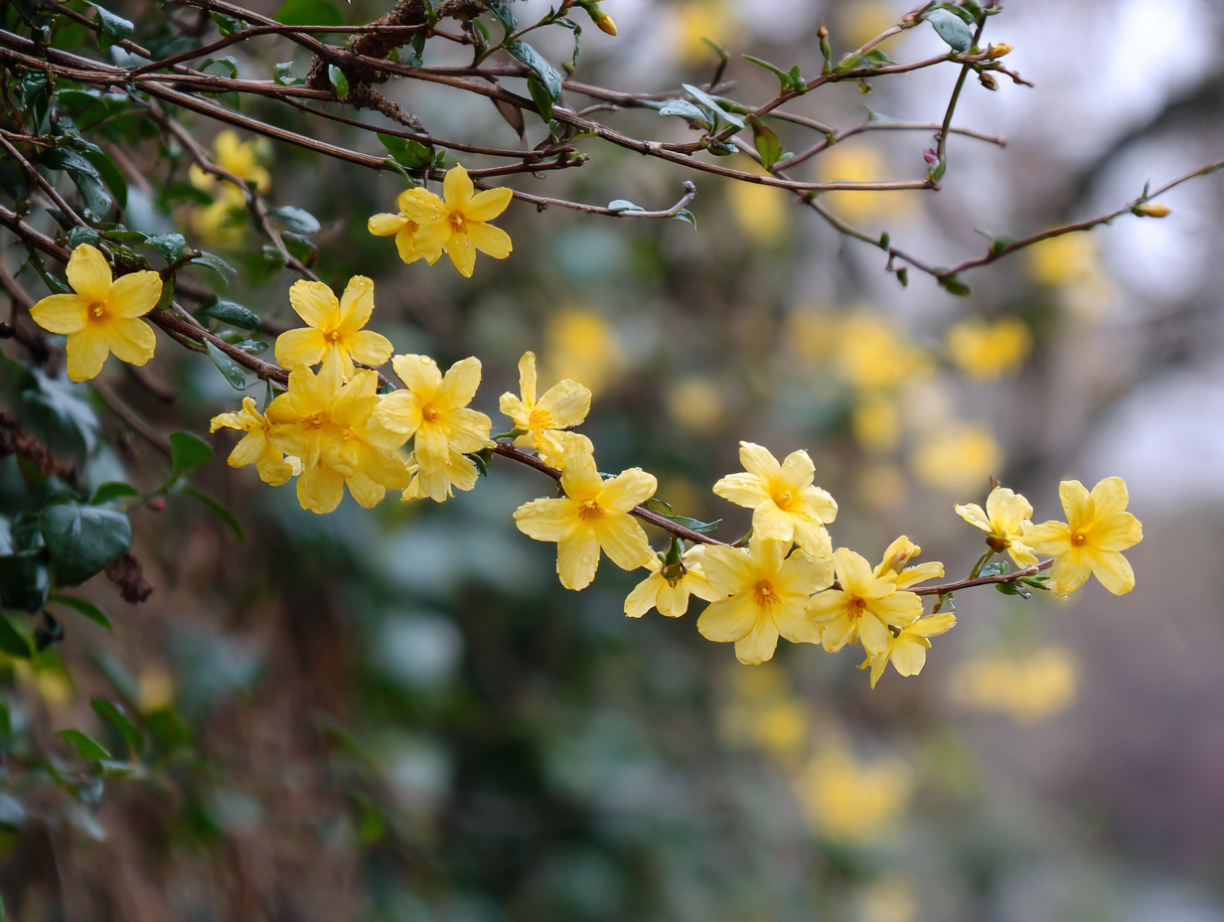
One of the standout flowers during this period is the winter jasmine (Jasminum nudiflorum), which bursts into bloom with clusters of fragrant yellow flowers. This hardy plant thrives in Florida’s mild winters, making it a popular choice for gardeners seeking to add color to their landscapes during the colder months. Its trailing growth habit makes it ideal for trellises or hanging baskets, providing a lovely cascading effect when in full bloom.
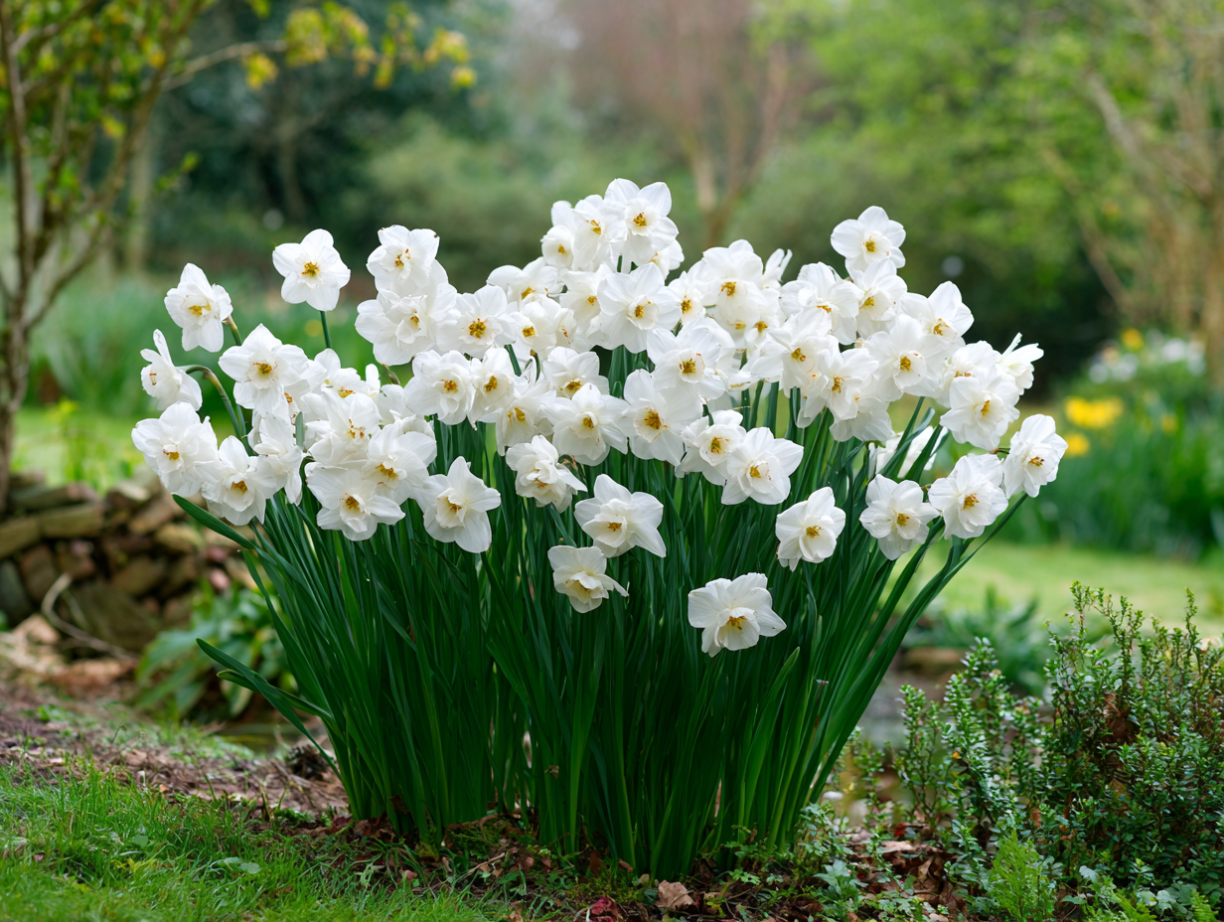
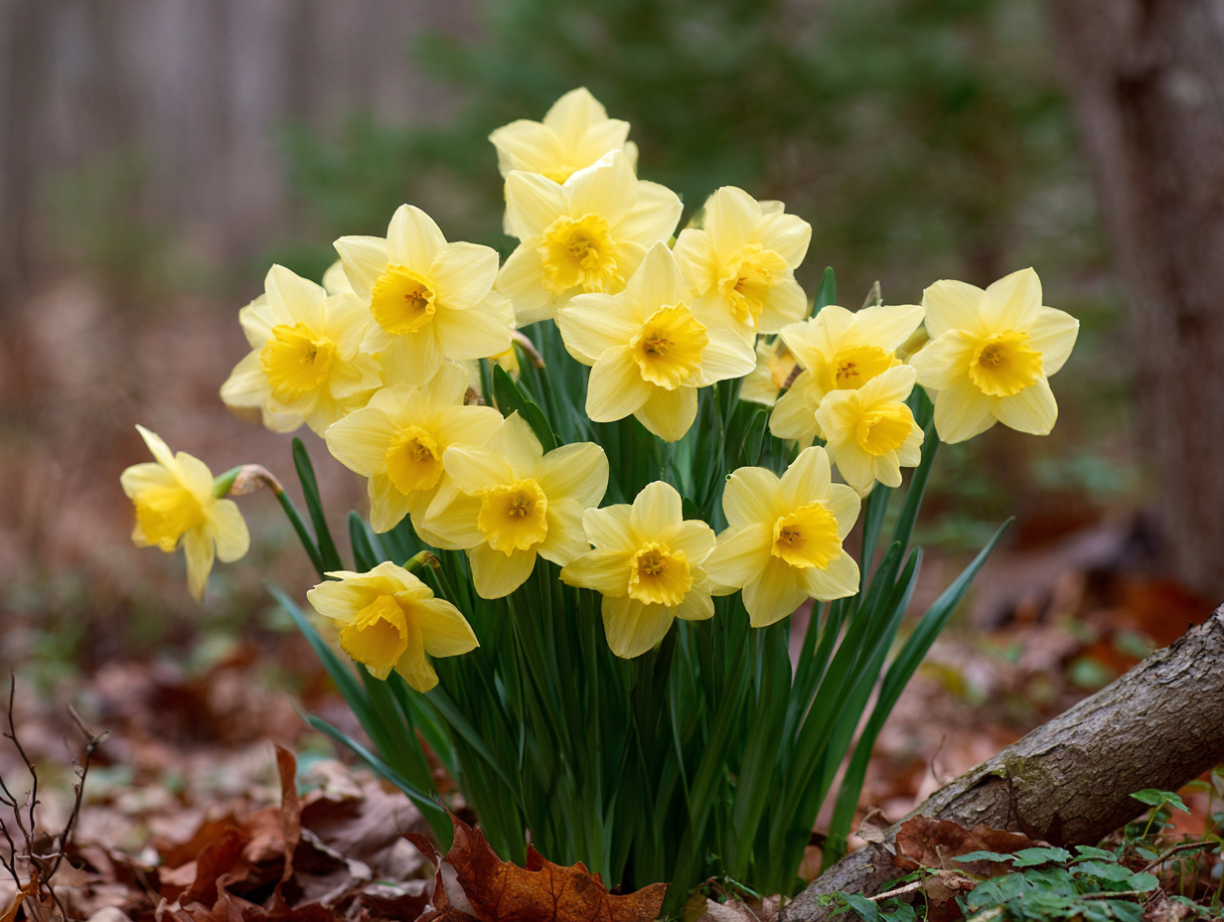
Daffodils (Narcissus), known for their bright yellow and white trumpet-shaped flowers, are another fantastic option in early spring. Typically emerging in February, these bulbs thrive in well-drained soil and full sun, making them perfect for Florida gardens. Daffodils are not only celebrated for their visual appeal but are also celebrated for their ability to naturalize in gardens over time, creating a lasting display each spring.
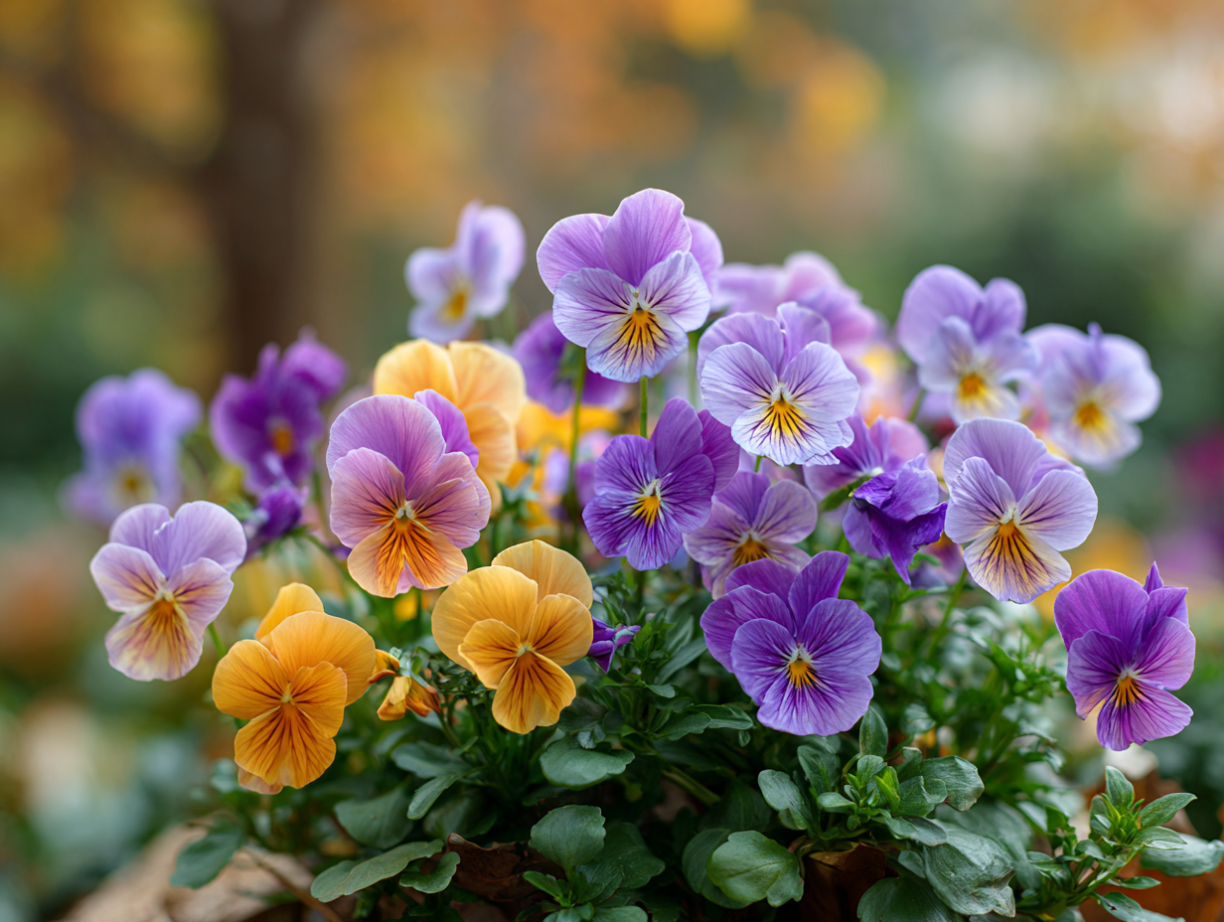
Additionally, early spring blossoms such as pansies and violas also take center stage from January to March. Their vibrant colors can amplify any floral arrangement, and their cool-weather tolerance means they flourish during this season. Gardeners often appreciate their versatility as they can be planted in containers or as part of a mixed bed.
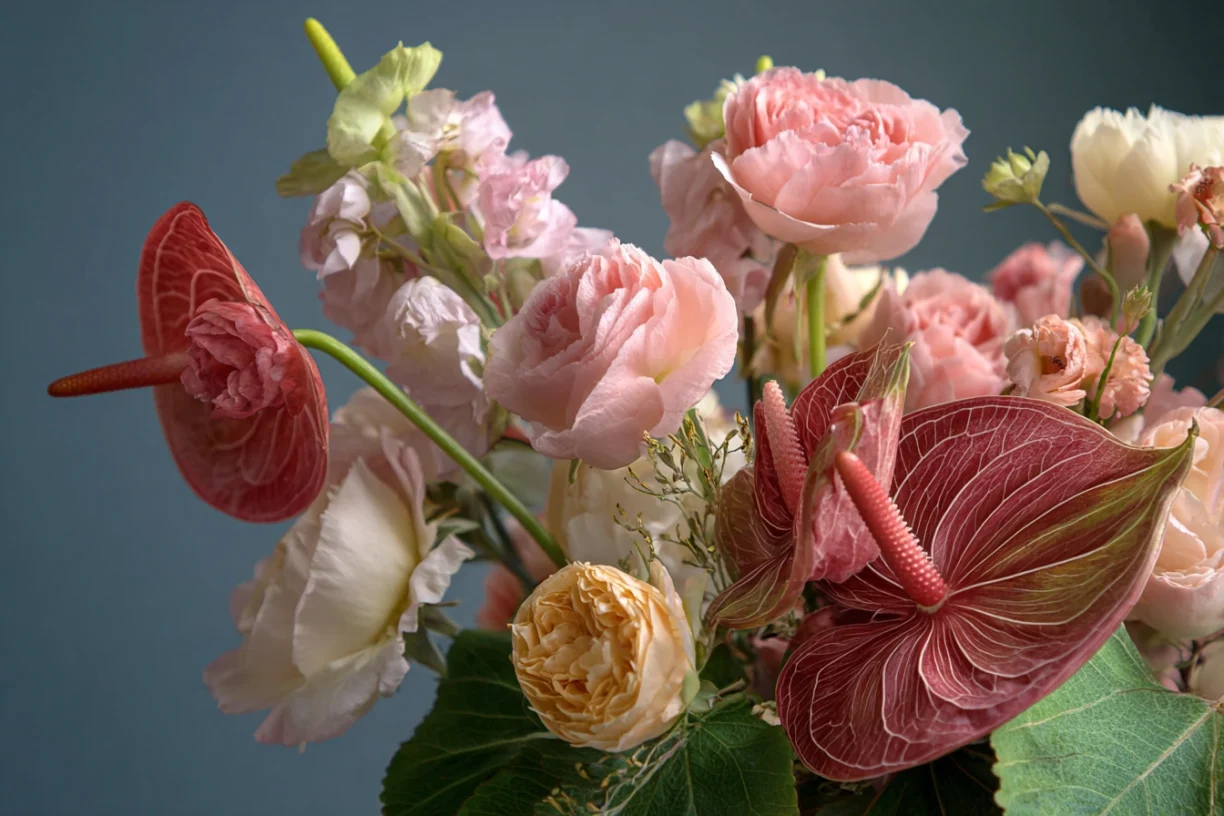
In conclusion, January to March offers an array of early bloomers that enhance Florida’s landscapes. By incorporating winter jasmine, daffodils, and other seasonal flowers, gardeners can create stunning displays that celebrate the onset of spring.
April to June: A Flourishing Spring and Early Summer
As we transition into the vibrant months of April to June, Florida’s landscape becomes a canvas painted with an array of flowers, highlighting the region’s capacity for diverse floral growth. During this period, several enchanting blooms, such as azaleas, peonies, and orchids, reach their prime. Each of these flowers not only embodies beauty but also demonstrates the unique adaptability required for thriving in Florida’s climate.
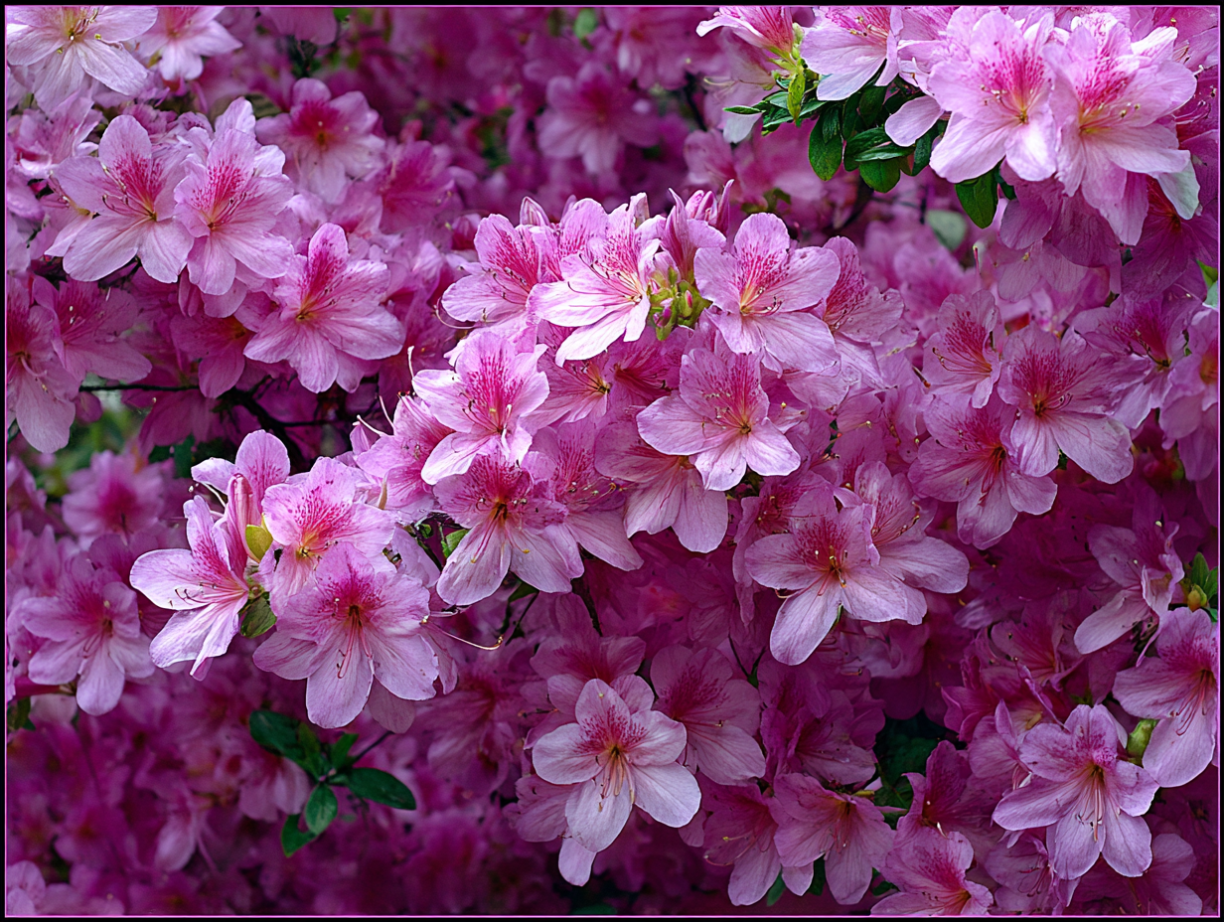
Azaleas are among the first to make their appearance. Thriving in partial shade, they flourish in well-drained, acidic soil enriched with organic matter. This flowering shrub can create a breathtaking landscape when planted en masse, showcasing their varied hues ranging from whites to vivid pinks. For optimal growth, azaleas require frequent watering, especially in dry spells, while careful pruning encourages robust blooming in subsequent seasons.
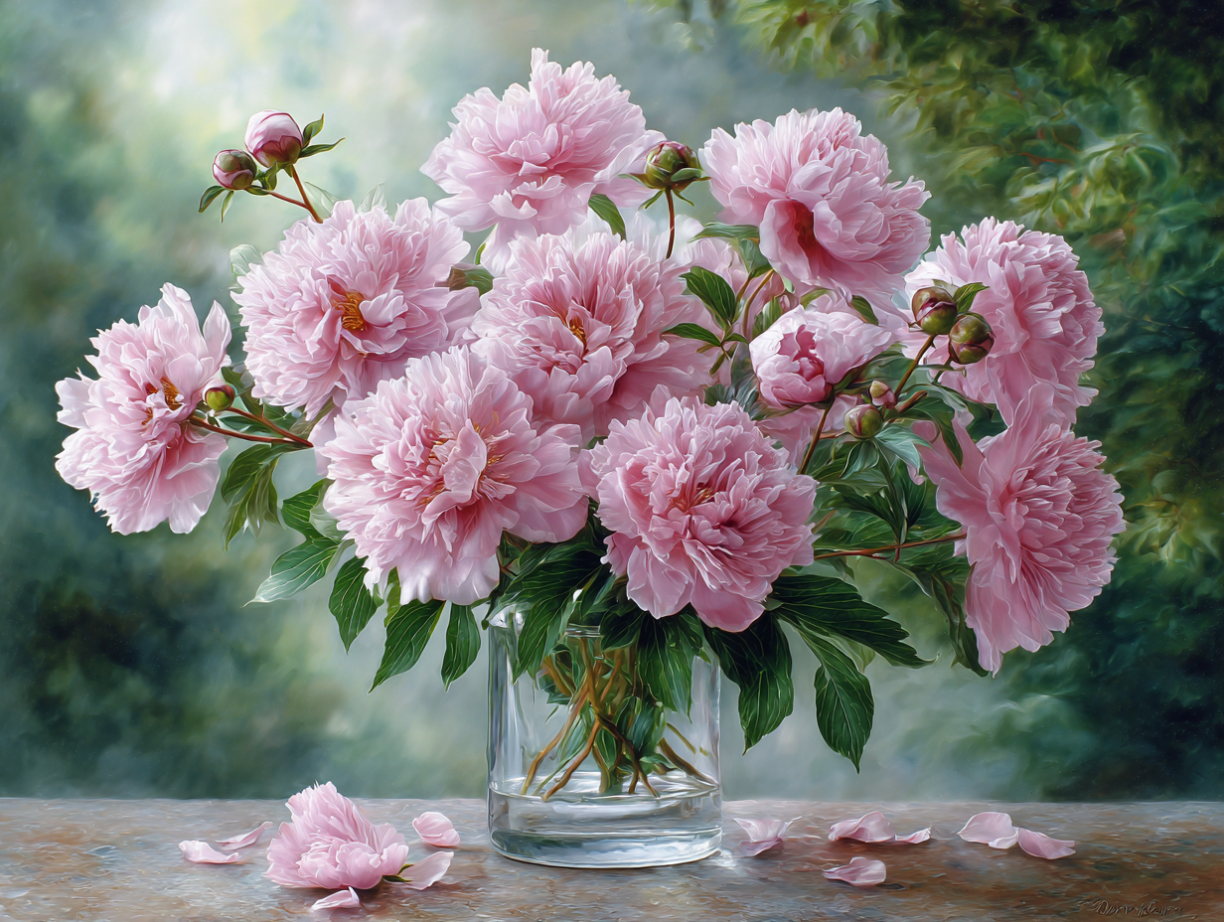
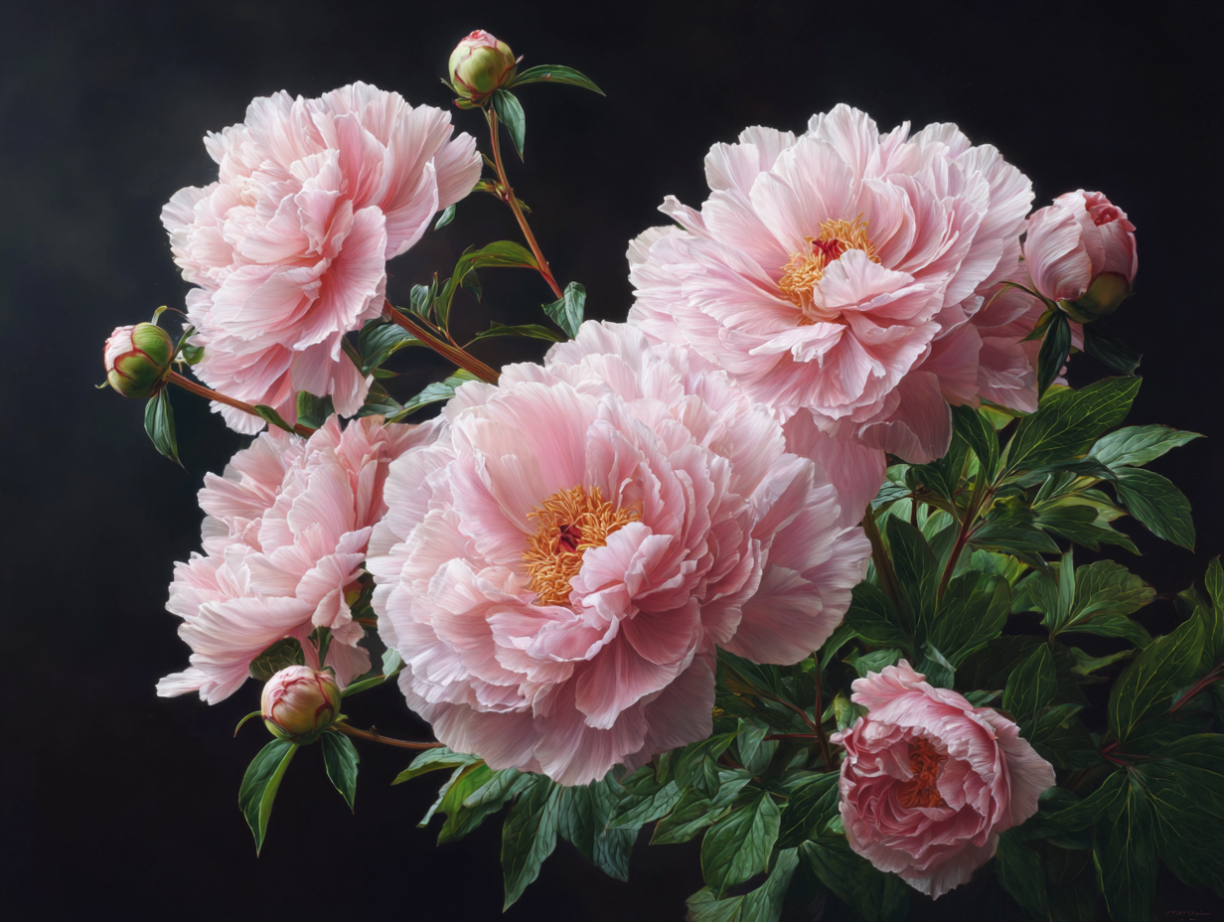
Peonies are another delightful addition to Florida’s spring scene, with their fragrant blossoms making a significant impact. Although they are more commonly associated with cooler climates, certain varieties, particularly the tree peonies, can adapt to the Florida environment. These perennial plants thrive in full sun to partial shade, and they necessitate well-drained soil to avoid root rot. Regular deadheading after blooming promotes health and produces more blooms in the following seasons.
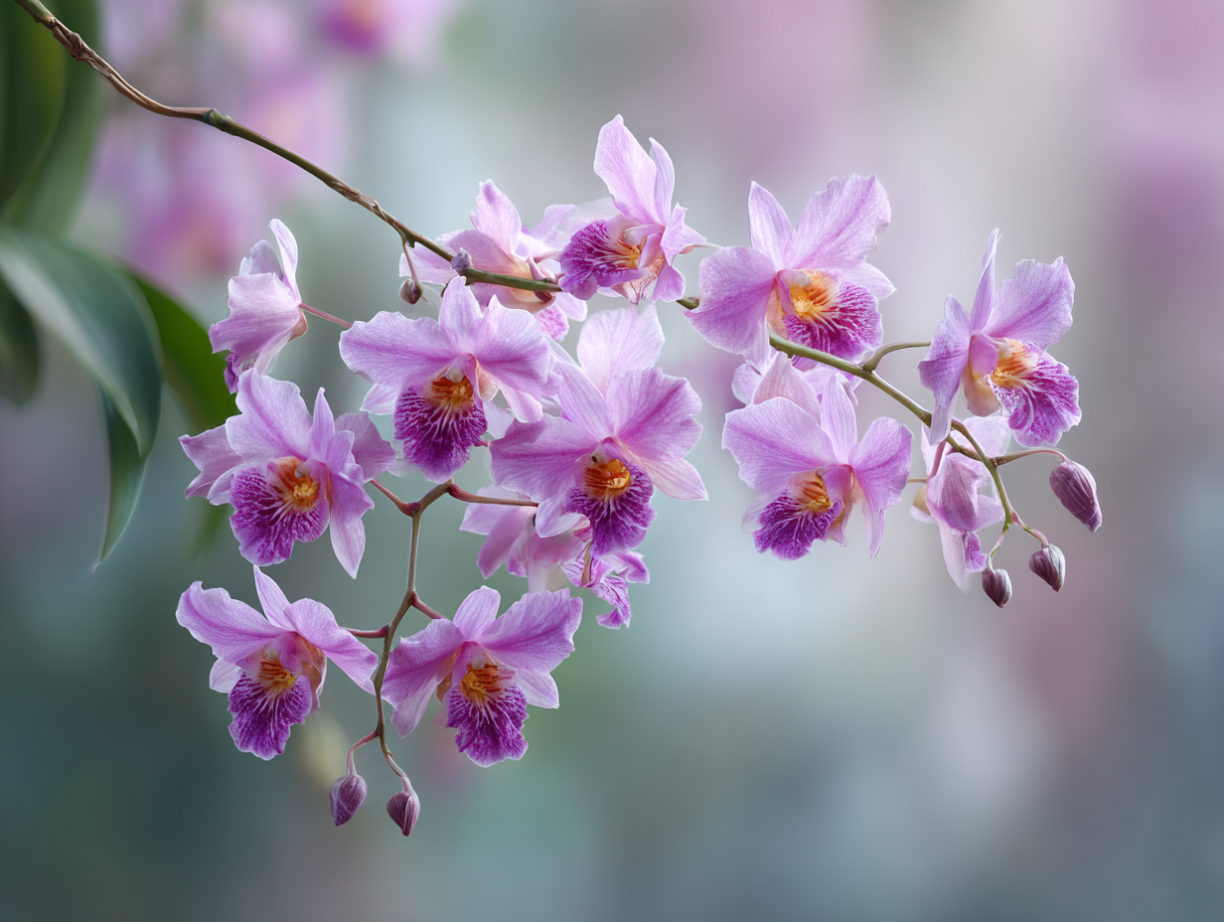
Orchids, revered for their exotic flowers, also flourish in Florida during this season. Varieties such as Phalaenopsis and Cattleya not only add elegance to gardens but are also relatively simple to cultivate. They prefer bright, indirect light and thrive in regions that maintain humidity. Utilizing orchid potting media like pine bark aids drainage, essential for their healthy growth.
Whether visiting local botanical gardens or growing these blooms at home, Florida’s late spring and early summer offer endless opportunities to enjoy and cultivate these floral wonders. The region’s diverse climates and offerings make it a prime location for both seasoned gardeners and casual enthusiasts alike.
Late Summer and Fall Floral Availability
As we transition from the heat of summer into the cool embrace of fall, Florida’s floral landscape undergoes a remarkable transformation. From July to December, florists and gardeners alike can enjoy a diverse array of blooms that not only enhance the beauty of local gardens but also make for stunning arrangements during the holiday season. Key late bloomers during this period include vibrant sunflowers, cheerful marigolds, and classic chrysanthemums, each contributing unique visual splendor.
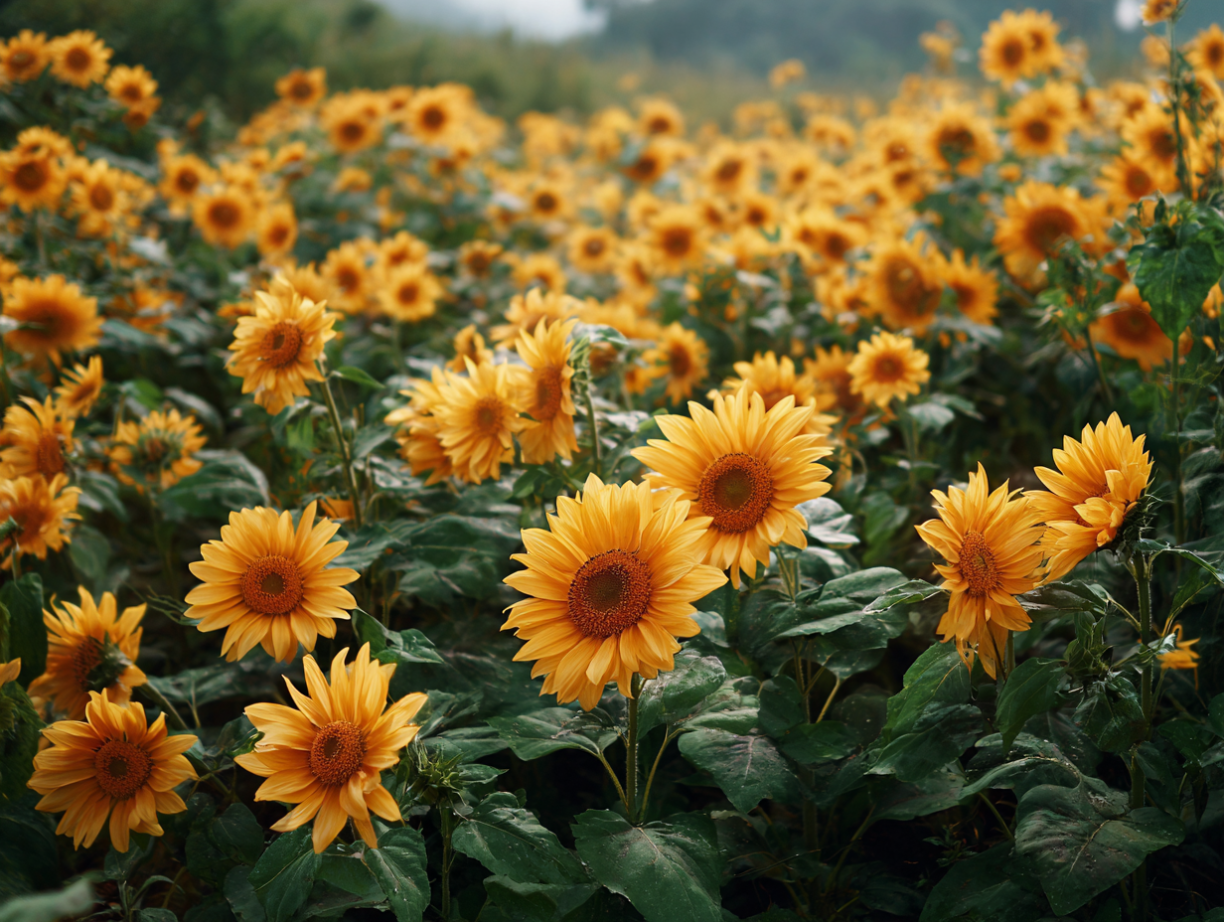
Sunflowers, with their bold yellow petals and towering stalks, are a quintessential late summer flower. They thrive in the warm weather, offering a stunning contrast against the fall landscape. These vibrant flowers can be used in both casual bouquets and more elaborate floral arrangements, bringing a touch of brightness as we approach the cooler months. As they symbolize adoration and loyalty, sunflowers are ideal for celebrations such as weddings and outdoor events that continue through late summer.
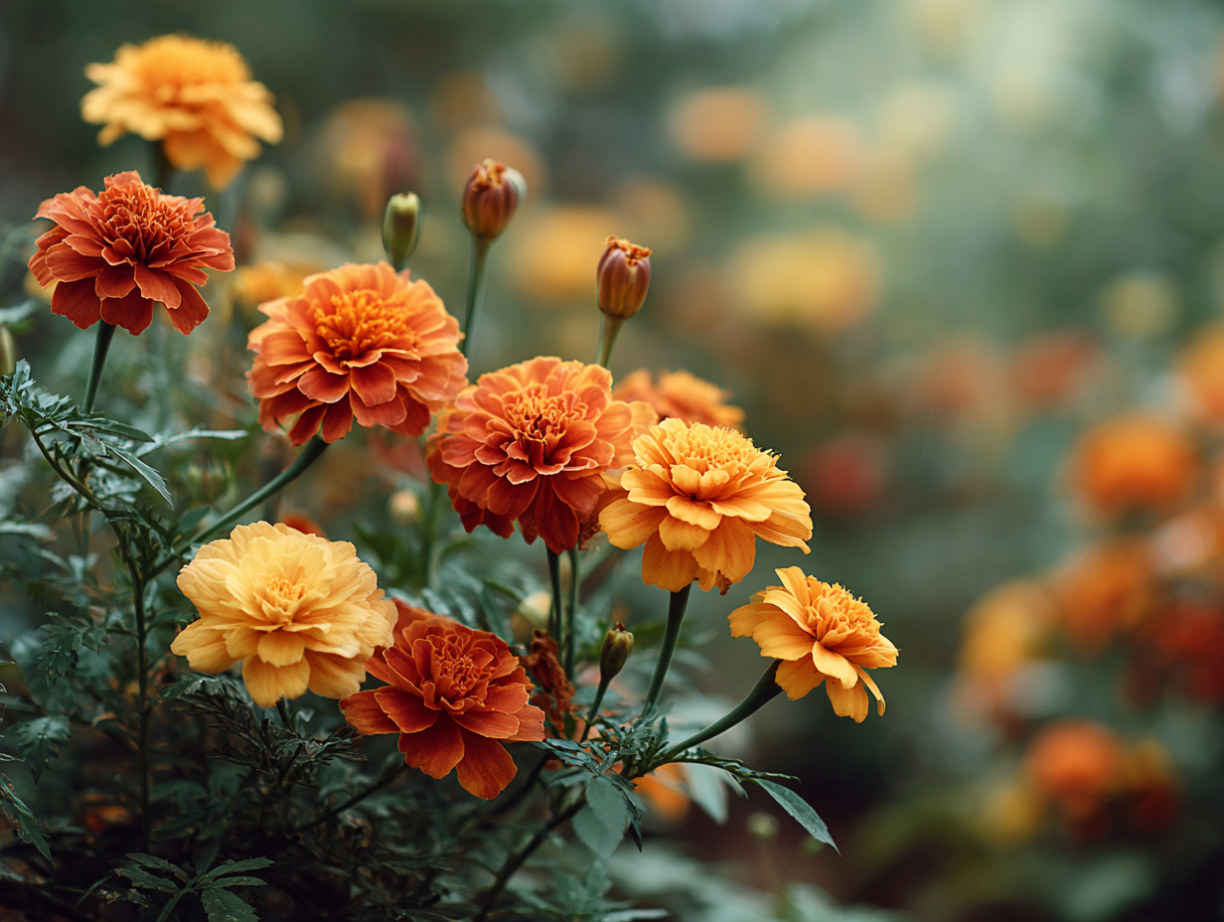
Marigolds, another beloved bloom, continue to provide brilliant colors from July through late fall. Known for their resilience, these flowers thrive in most conditions, with shades ranging from deep oranges to bright yellows. They are often incorporated into garden beds for seasonal impact and are also commonly used in decorative arrangements, especially for events like Halloween and Thanksgiving.
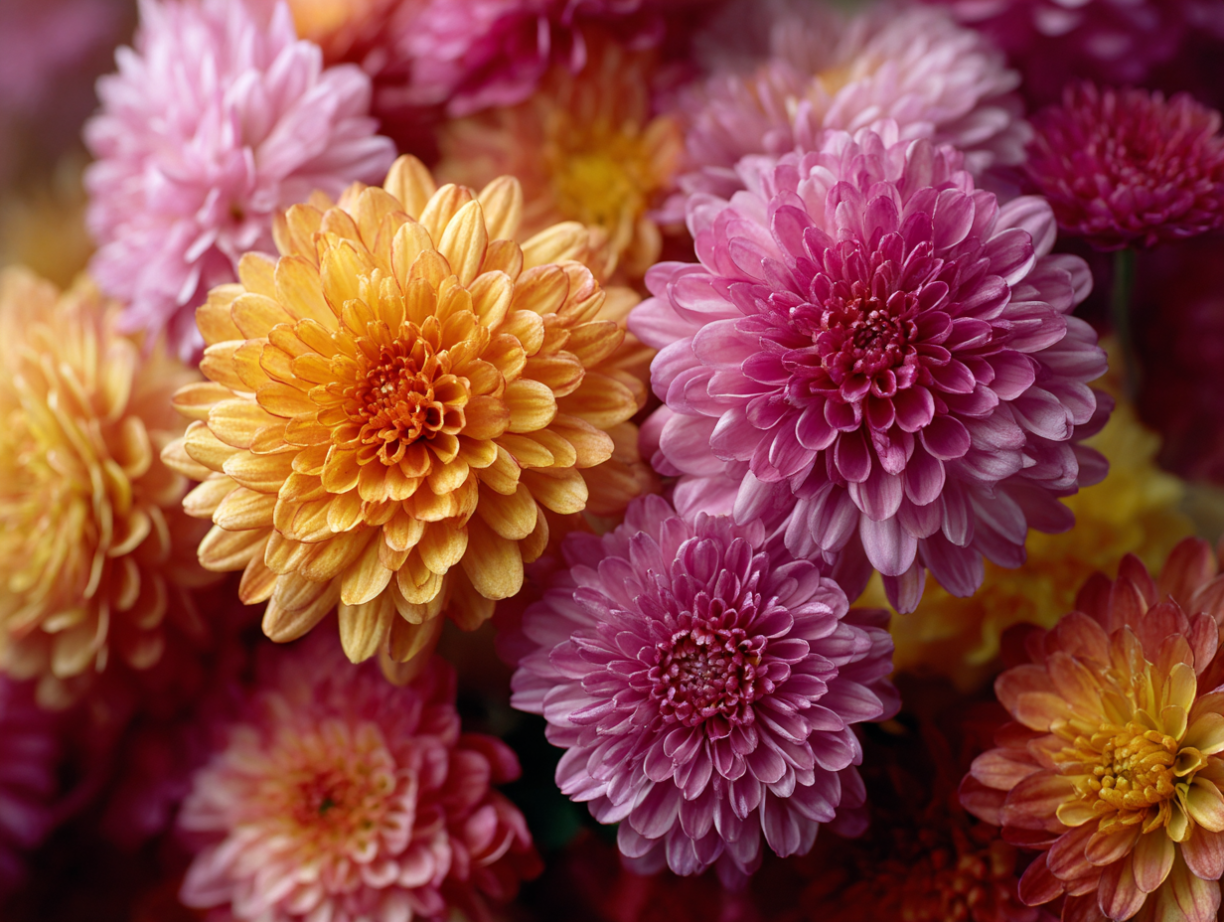
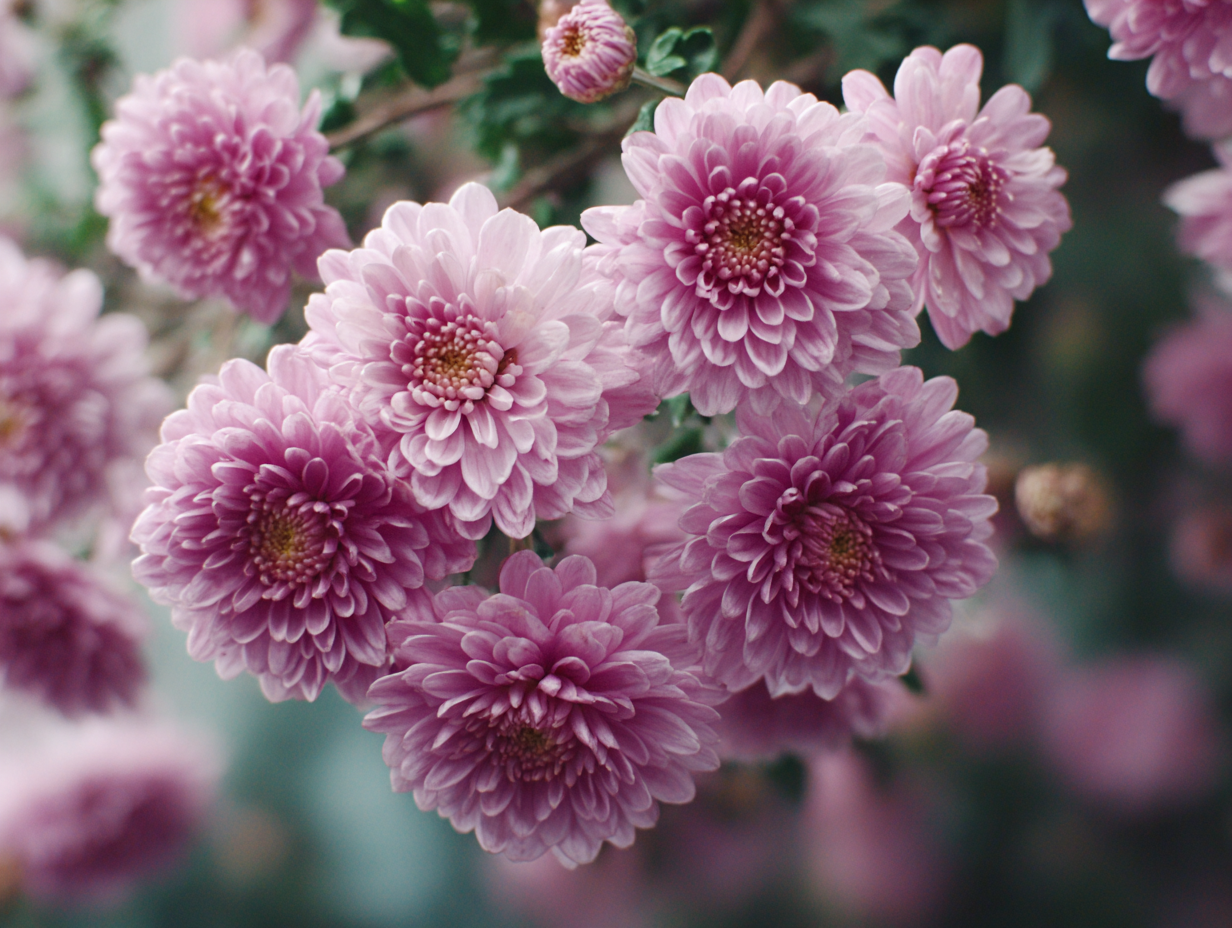
Chrysanthemums, or mums, begin to make their appearance as summer fades, offering a rich variety of colors and sizes. Their late bloom enhances garden aesthetics and is perfectly timed for fall festivities. Additionally, the hardiness of chrysanthemums makes them a popular choice for both outdoor and indoor arrangements during the holiday season.
As the year draws to a close, preparation for the winter months becomes crucial. Florists and gardeners should consider conservation ideas that not only protect existing plants but also create stunning displays for the upcoming celebrations. Utilizing late bloomers and the seasonal foliage enriches floral arrangements while celebrating the natural beauty of Florida’s changing landscape.